
Representing the Growers and Innovators Behind Intermediate Oilseed Crops
Advocating for profitability, agricultural sustainability, and feedstocks for low-carbon renewable fuels.
Our Mission
The Intermediate Oilseed Crop Alliance (IOCA) seeks to achieve the adoption and growth of intermediate oilseed crops as a proven agricultural solution that increases farmer prosperity, strengthens rural economies, and provides environmental benefits, and crop products in fuels and downstream markets.
IOCA works through advocacy, education, and research to advance technology and policy furthering intermediate oilseed crop commercialization.
Our Principles
We are advocates who seek to educate and advance the future of intermediate oilseed crops with integrity:
Visionary: We are committed to the future of American energy security, sustainability, prosperity, and leadership - domestically and in international markets.
Conscientious: We are good stewards of the environment, farms, and American energy resources.
Trusted: We are collaborative, honest, data-driven, and ethical in our engagements with industry, farmers, and the government.
We drive long-term, durable policy that supports the following principles:
Science-Based: We are committed to delivering agricultural products that offer quantifiable carbon reductions and ecological benefits – from farm to fuel and downstream markets.
Crop-Neutral: We advocate for market growth for all intermediate oilseed crops including camelina, carinata, and domesticated pennycress.
Growth-Oriented: We are inclusive of innovation, new uses, new markets, and scaling production domestically and internationally to deliver ecological benefits and economic value for farmers and end consumers.
What We Do
Advocate
Before Congress and federal agencies, including USDA, DOE, EPA, IRS, and Treasury.
Coordinate
How intermediate crops are treated in legislation, regulation, and industry guidance.
Educate
Policymakers, regulators, and the public on the environmental and economic case.
Unite
A single, consistent industry voice on shared policy priorities.
What Are Intermediate Crops?
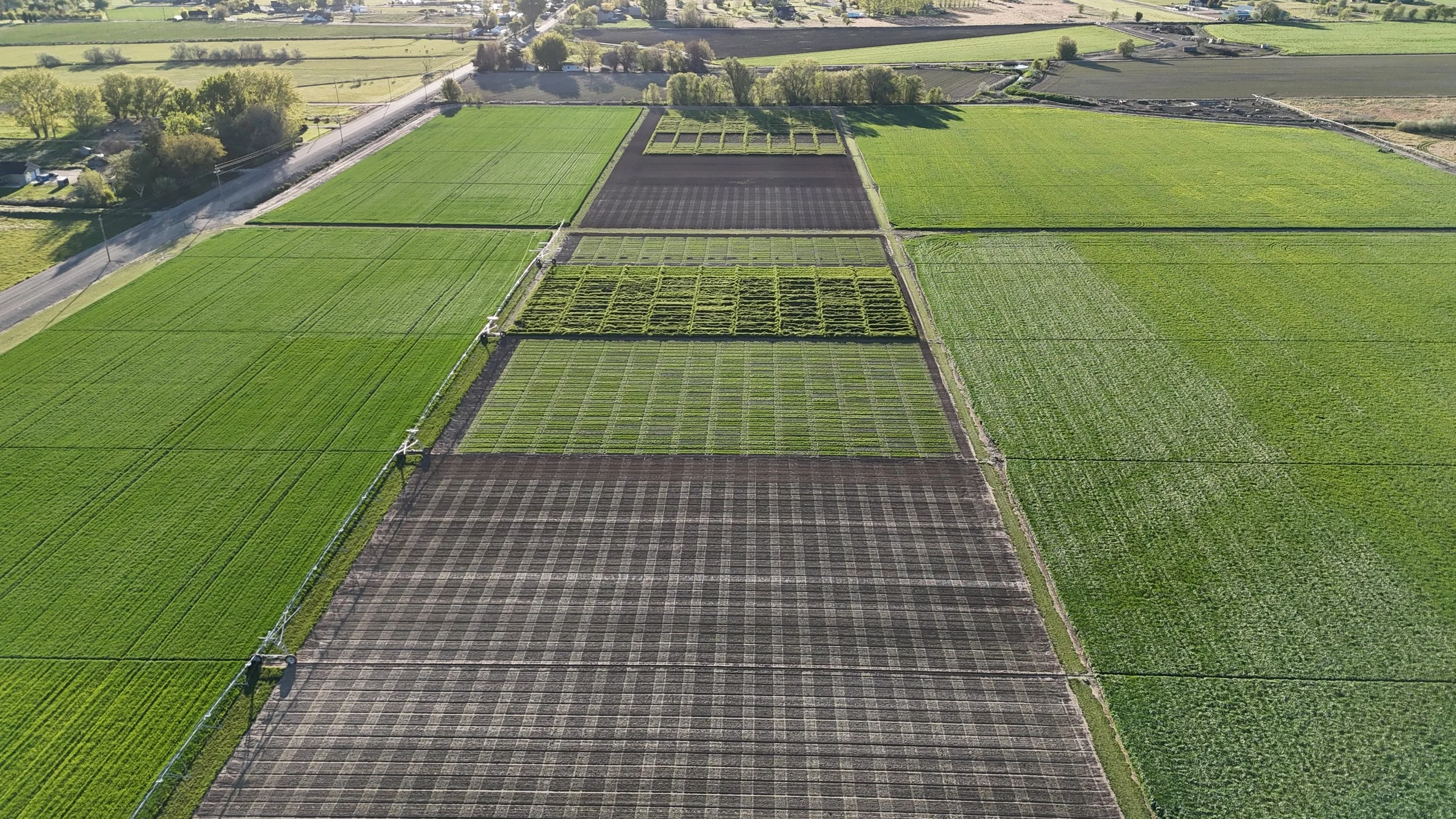
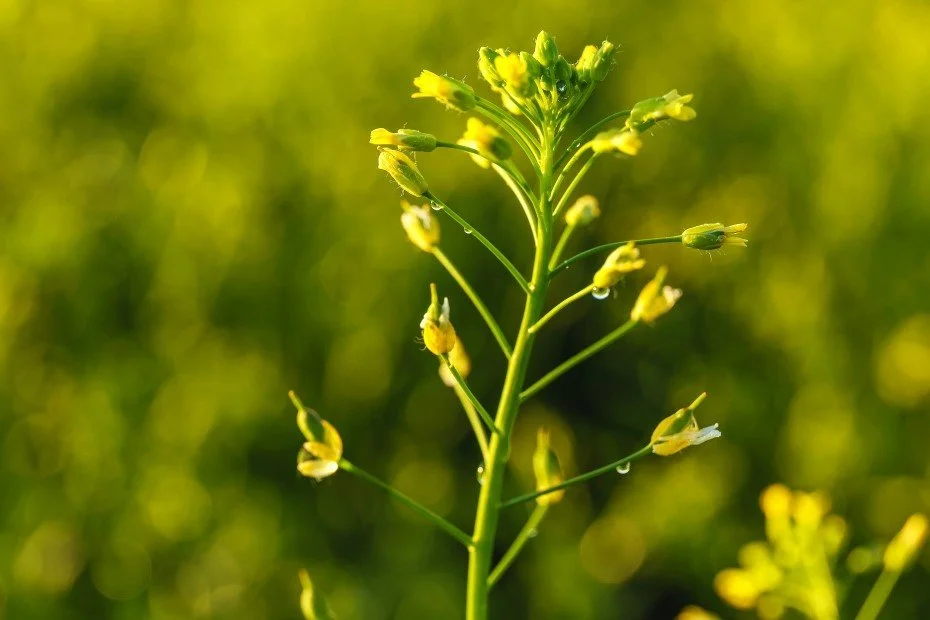
Intermediate oilseed crops are planted between main crop cycles on farmland that would otherwise sit fallow or idle. Grown across farmland throughout the United States, these crops are harvested for seed oil to produce low-carbon renewable fuels and other downstream products.
Carinata
Winter oilseed · Southeast & Gulf Coast
Camelina
Fast-maturing oilseed · Northern Plains & Pacific Northwest
Domesticated Pennycress
Winter annual · Midwest Corn Belt
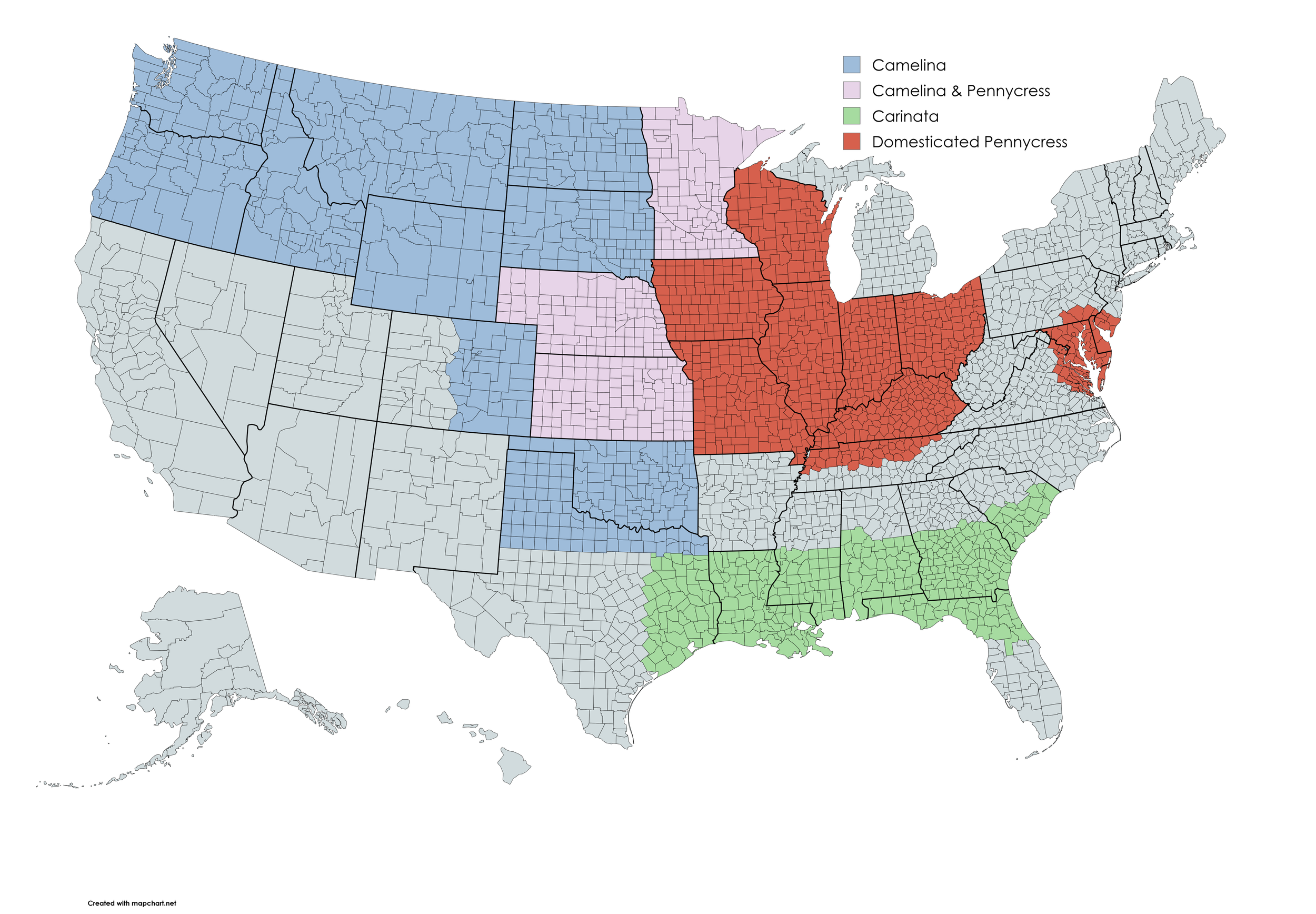
Where we grow
INNOVATE
·
GROW
·
FUEL
·
INNOVATE · GROW · FUEL ·
Why Intermediate Crops Matter
New revenue for growers
Rotational acres become an additional income stream within existing rotations.
Regenerative by design
Soil benefits are comparable to those from cover crops, including reduced nutrient runoff and soil erosion, plus improved soil fertility and organic matter.
Energy independence
Expanded domestic feedstock supply that utilizes existing farmland without competing against agricultural supply and food production.
Rural economic growth
New demand, new infrastructure, and new opportunity in farming communities.
Intermediate Crops Fuel the Future
Because they're grown in the window between primary crops rather than in place of them, intermediate oilseed crops give growers a new source of revenue without displacing existing production.
Oil from intermediate crops can be processed and blended into low-carbon fuels like biodiesel, renewable diesel, and SAF.
Our Members





Contact Us
For general inquiries, please submit a message and someone will be in touch. For media inquiries, contact isabel.lane@hklaw.com.
Intermediate Oilseed Crop Alliance
800 17th St NW, Suite 1100
Washington, DC 20006